
Dentistry
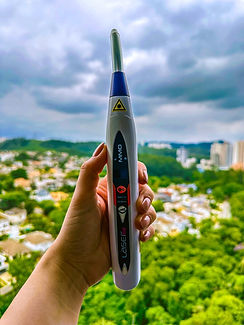
Dental Laser Therapy in Alphaville and Barueri
At Donegá Odontologia, located in Alphaville, Barueri, dental laser therapy is used as a complementary resource to help control pain, modulate inflammation, and repair tissues.
Treatment is planned individually, according to each patient's needs, and may be indicated in certain situations of orofacial pain, oral discomfort, and recovery after dental procedures.

Laser therapy as an ally for comfort and recovery.
Low-level laser therapy can be used as a complementary resource in various dental situations.
Depending on the indication, it can help control pain and inflammation and participate in the tissue repair process.
The protocol is defined according to the diagnosis, the area being treated, and the needs of each patient.

What is dental laser therapy?
Laser therapy uses low-intensity light applied at specific parameters to produce photobiomodulatory effects in tissues.
In dentistry, it can be used as a complementary therapy in different clinical situations, according to diagnosis and professional indication.
The procedure is usually quick and non-invasive, and the protocol varies according to the treatment goal.

When is dental laser therapy indicated?
Orofacial pain and discomfort, when indicated.
Some muscular conditions associated with TMD
Mouth ulcers and certain lesions of the oral mucosa
Post-operative dental care
Assistance in the tissue repair process.
Tooth sensitivity in selected situations
Some inflammatory conditions of the oral cavity
Controlling discomfort from certain oral lesions.
The indications and parameters used depend on the diagnosis and individual assessment.
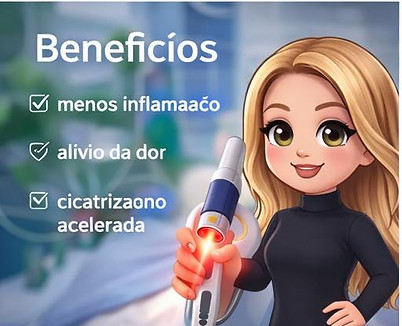
What are the potential benefits of laser therapy in dentistry?
Assistance in pain management
Modulation of inflammatory processes
Assistance in tissue repair
Quick and non-invasive application
Greater comfort in certain treatments.
Possibility of combining with other therapeutic resources.

Technology combined with individual care
At Donegá Odontologia, laser therapy is not applied in a standardized way.
Each case is evaluated individually to determine the indication, therapeutic objective, application region, and protocol.
Technology is used as part of treatment when there is a clear clinical reason for using it.

Laserterapia com avaliação individualizada
Laser therapy is used as a complementary resource within dental treatment planning, always based on clinical evaluation.
Care involves diagnosis, indication, monitoring of the response to treatment, and determining the need for further sessions.
Comfort is also part of the treatment.
If you are experiencing pain, discomfort, or are recovering from a dental procedure, an evaluation can determine if laser therapy is appropriate for you.
The correct indication is just as important as the technology used.
Laser therapy can also be integrated into the treatment plan for certain cases of orofacial pain. Learn about our approach to TMD, bruxism, and orofacial pain.
Frequently Asked Questions about Laser Therapy
Quantas sessões de laserterapia são necessárias?
Não existe um número único de sessões para todos os pacientes.
A quantidade e o intervalo entre as aplicações dependem da condição tratada, fase do quadro, resposta clínica e objetivo terapêutico.
Em alguns casos uma aplicação pode fazer parte do protocolo; em outros, pode ser necessário acompanhamento em mais sessões.
Does dental laser therapy hurt?
Low-level laser therapy is usually well tolerated. The sensation during the procedure may vary depending on the area and condition being treated.
Does laser therapy replace medication?
Not necessarily. Laser therapy is a complementary resource and does not automatically replace medications or other treatments when these are indicated.
Can laser treatment be used after dental surgery?
In certain situations, it may be part of complementary post-operative care, depending on the procedure and the dentist's assessment.
Can laser therapy help with tooth sensitivity?
It may be part of the treatment in selected cases, but first it is necessary to identify the cause of the sensitivity.